


Canisters are pantry peacekeepers: coffee close at hand, sugar not pretending to be flour, and tea bags no longer living in a half-crushed box. LatestBuy’s canister range includes kitchen canisters, storage sets, labels and the occasional canister-shaped curveball. Choose by what needs a home, then add personality if it will reach for its spot on the bench or shelf.




Visto recientemente
Let customers speak for us
Canisters for tea, coffee, sugar and pantry order without the mystery powder game
Quick ways to narrow this collection
- For tea, coffee and sugar, pick canisters that are easy to open daily and pleasant enough to leave on the bench.
- For pantry staples, size and labelling matter because the mystery powder game gets old quickly.
- For housewarming gifts, sets work best when they suit the recipient’s kitchen style and storage space.
- For mixed results, choose from the product title and use case; not every canister-shaped thing is made for biscuits.
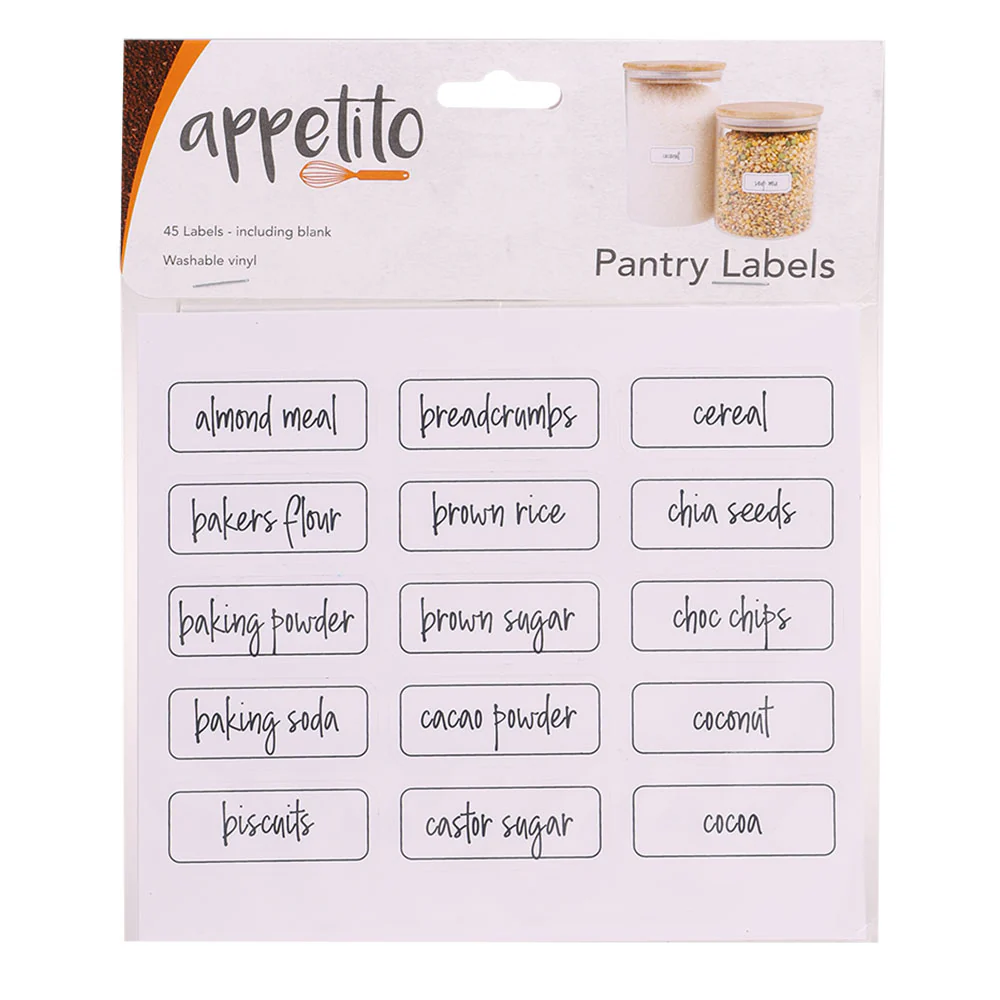
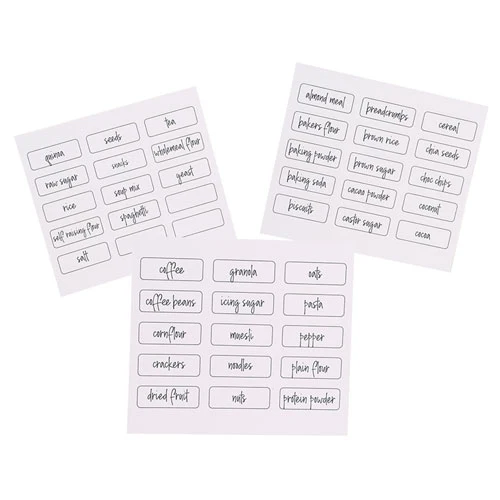
A good canister makes a small kitchen routine smoother, which is why this can become a surprisingly good Canisters selection. Small pieces suit tea, coffee, sugar, snacks and spices. Larger canisters help when someone buys staples in sensible amounts rather than optimistic bulk. Labels are handy when the container is clear to the organiser but confusing to every other human in the house. It is worth choosing if it stops the “is this salt?” moment before breakfast.
For the wider tidy-up, Kitchen Storage & Organizers covers pantry and lunch helpers, while Containers suit leftovers, meal prep and fridge order. Building a coffee corner? Cups & Mugs and Drinkware are natural next stops.
What should I store in kitchen canisters?
Canisters are useful for tea, coffee, sugar, biscuits, dry pantry staples, snacks and ingredients used often enough to deserve easy access.
How do I choose the right canister size?
Match size to the ingredient and refill habit. Small canisters suit daily staples; larger pieces or sets suit pantry organisation when each container has a clear role.
Are canister sets good gifts?
They can be strong housewarming or kitchen-refresh gifts when the recipient likes organised storage and has room to use them.
For a stronger shortlist, look for the practical detail, gift setting, small surprise or personality match that makes the choice feel deliberate.